Importance of Vitamins for Health: Which Vitamins Are Essential For A Healthy Lifestyle
Which vitamins are essential for a healthy lifestyle – Vitamins play a crucial role in maintaining overall health and well-being. They are organic compounds that are vital for various bodily functions and processes. Without adequate vitamin intake, our bodies may struggle to perform essential functions, leading to health complications. Vitamins are particularly important for strengthening the immune system. They help in the production of antibodies, which are essential for fighting off infections.
For example, Vitamin C and Vitamin D are closely linked to immune responses and can enhance the body’s ability to ward off illnesses. Additionally, vitamins have a significant impact on mental health and mood regulation. Certain vitamins, like B vitamins, are crucial for neurotransmitter function, which influences mood and cognitive performance. A deficiency in these vitamins may lead to increased feelings of anxiety or depression.
Essential Vitamins for Daily Life
There are several vitamins that are necessary for a healthy lifestyle. Here’s a list of the most essential ones, along with their benefits and dietary sources:
- Vitamin A: Supports vision and immune function. Found in carrots, sweet potatoes, and spinach.
- Vitamin B Complex: Includes B1, B2, B3, B6, B9 (folate), and B12, which are crucial for energy metabolism and brain health. Sources include whole grains, meat, and dairy products.
- Vitamin C: Important for collagen production and acts as an antioxidant. Common sources include citrus fruits, strawberries, and bell peppers.
- Vitamin D: Essential for bone health and calcium absorption. Found in fatty fish, fortified milk, and sunlight exposure.
- Vitamin E: Functions as an antioxidant and is important for skin health. Sources include nuts, seeds, and green leafy vegetables.
- Vitamin K: Plays a crucial role in blood clotting and bone metabolism. Found in green leafy vegetables like kale and broccoli.
Vitamins and Their Specific Functions
Each vitamin has specific functions that contribute to overall health. Vitamin A is known for its vital role in vision, particularly in low-light conditions. It also supports immune health by maintaining the integrity of skin and mucosal cells, which act as barriers against pathogens. Vitamin C is essential for collagen production, a protein that helps maintain the structure of skin, blood vessels, and connective tissues.
It also serves as a powerful antioxidant, defending the cells against damage from free radicals.Vitamin D is essential for bone health as it facilitates calcium absorption from the diet. A deficiency in Vitamin D can lead to weakened bones and conditions such as osteoporosis.
Recommended Daily Allowances (RDAs) for Vitamins
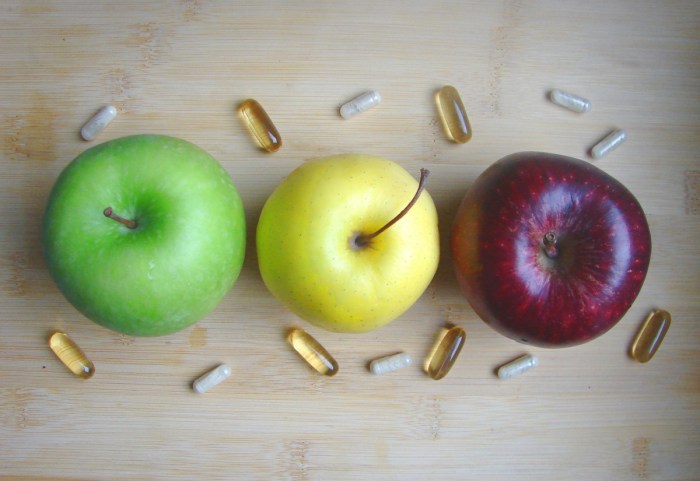
Understanding the recommended daily allowances (RDAs) for various vitamins can help individuals meet their nutritional needs. RDAs are established based on age, gender, and life stage. Here is an overview of RDAs for some essential vitamins:
| Vitamin | RDA (Adults) | Food Sources |
|---|---|---|
| Vitamin A | 900 mcg | Carrots, sweet potatoes, spinach |
| Vitamin C | 90 mg | Citrus fruits, strawberries, bell peppers |
| Vitamin D | 600 IU | Fatty fish, fortified milk, sunlight |
| Vitamin E | 15 mg | Nuts, seeds, green leafy vegetables |
| Vitamin K | 120 mcg | Kale, broccoli, Brussels sprouts |
Factors affecting vitamin absorption include age, health conditions, and the presence of other nutrients in the diet. It’s essential to be mindful of these factors to ensure adequate vitamin intake.
Consequences of Vitamin Deficiencies, Which vitamins are essential for a healthy lifestyle
Vitamin deficiencies can lead to various health problems. Common deficiencies include Vitamin D, Vitamin B12, and Vitamin C, each resulting in specific health impacts.For instance, a lack of Vitamin D can lead to weakened bones, while a deficiency in Vitamin B12 may cause anemia and neurological issues. Symptoms of these deficiencies can include fatigue, weakness, and mood disturbances.Preventing vitamin deficiencies can largely be achieved through a balanced diet rich in fruits, vegetables, whole grains, and proteins.
In some cases, supplementation may be necessary, especially for individuals with specific dietary restrictions or health conditions.
Supplementation vs. Natural Sources
When it comes to obtaining essential vitamins, there is a debate between using supplements and relying on natural food sources. Natural food sources provide vitamins in their complete form, along with other beneficial compounds like fiber and antioxidants.In some cases, supplementation may be necessary, particularly for individuals with dietary restrictions, certain health conditions, or increased vitamin requirements. However, excessive supplementation can pose risks, such as toxicity or adverse interactions with medications.
Lifestyle Factors Influencing Vitamin Needs
Various lifestyle factors can influence vitamin requirements. Age and gender play significant roles, as nutrient needs can vary over a person’s life span. For instance, pregnant women have increased needs for certain vitamins like folate and iron.Physical activity also impacts vitamin intake needs. Active individuals may require higher amounts of certain vitamins, such as B vitamins, which are involved in energy metabolism.
Dietary strategies to ensure adequate vitamin intake include consuming a diverse diet rich in whole foods and being mindful of nutrient timing around physical activity.
Myths and Misconceptions about Vitamins
There are numerous myths surrounding vitamin intake, often leading to misinformation. One common myth is that taking megadoses of vitamins can drastically improve health outcomes. This is not only untrue but can also lead to harmful effects.Evidence shows that obtaining vitamins from a balanced diet is far more effective than relying on high-dose supplements. Additionally, misconceptions regarding vitamin supplementation often lead to unnecessary spending and health risks.Understanding the facts about vitamins and their role in health is crucial for making informed dietary choices.