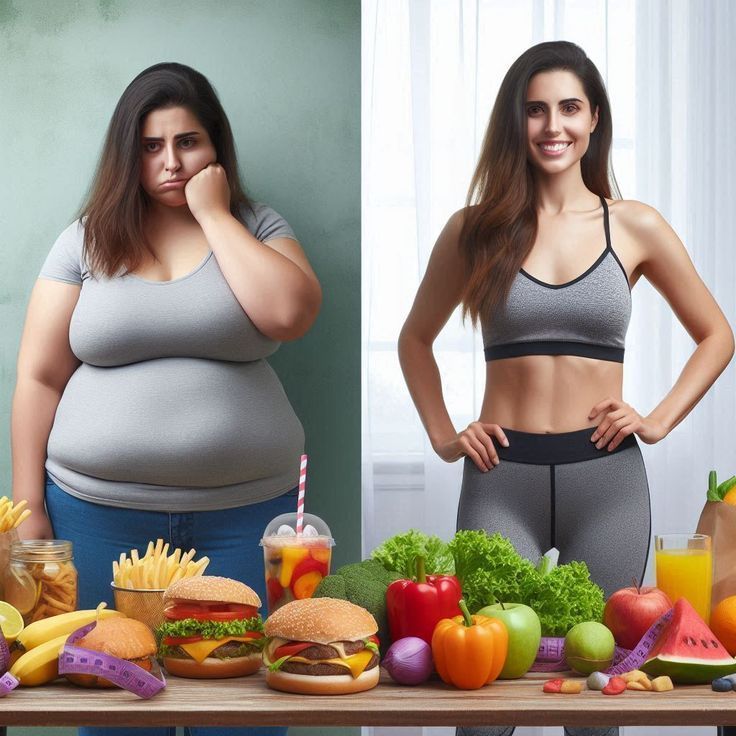
As we move into 2025, natural weight loss continues to gain popularity as people seek healthier, sustainable ways to stay fit. Unlike crash diets or extreme workout plans, natural weight loss focuses on long-term lifestyle improvements that support both physical and mental well-being.
One of the most effective strategies is prioritizing whole foods. Eating fresh vegetables, fruits, lean proteins, whole grains, and healthy fats helps regulate metabolism and reduce cravings. Ultra-processed foods, added sugars, and refined carbohydrates should be limited as they contribute to weight gain and energy crashes.
Hydration also plays a key role in natural weight loss. Drinking enough water throughout the day improves digestion, boosts metabolism, and helps control appetite. In 2025, experts continue to recommend starting the day with water and reducing sugary drinks.
Another proven method is mindful eating. Paying attention to portion sizes, chewing slowly, and recognizing hunger cues can significantly reduce overeating. Avoiding distractions such as phones or television while eating helps improve digestion and satisfaction.
Physical activity remains essential, but it doesn’t require intense gym sessions. Daily walking, yoga, strength training, or cycling can burn calories while improving overall health. Consistency matters more than intensity.
Sleep quality is often overlooked, yet it strongly affects weight. Poor sleep disrupts hormones that control hunger and fullness. Aim for 7–9 hours of quality sleep per night to support natural fat loss.
Stress management is another critical factor. Chronic stress raises cortisol levels, leading to weight gain. Meditation, deep breathing, and spending time outdoors can help maintain balance.
By focusing on nutrition, hydration, movement, sleep, and stress control, natural weight loss in 2025 becomes achievable and sustainable for everyone.